


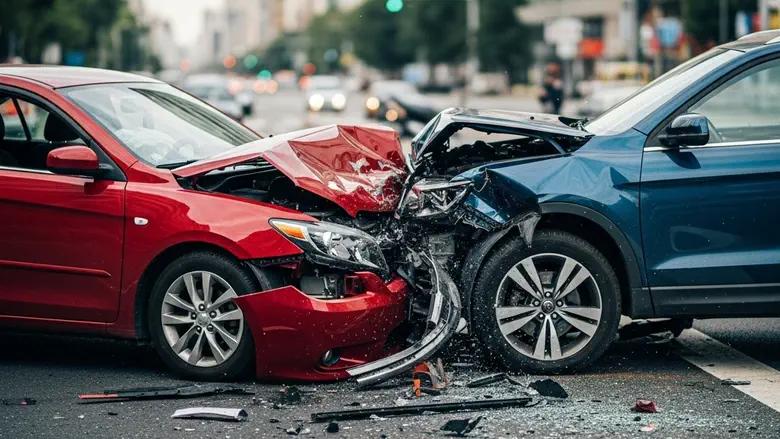
Imagine you are injured in a serious car accident. You need medical treatment, miss work, and continue experiencing pain months later. The other driver is responsible, but their auto insurance coverage may not be enough to compensate you for your losses.
This is where underinsured motorist coverage, commonly called UIM coverage, may become important.
What Does Underinsured Motorist Coverage Do?
Underinsured motorist coverage is designed to provide benefits in qualifying situations where an at-fault driver’s liability insurance is insufficient to cover an injured person’s compensable damages.
Whether coverage applies, and how much may be available, depends on the insurance policy, Utah law, the damages involved, and other circumstances.
UIM coverage is different from liability insurance. Liability insurance generally protects an at-fault insured against covered claims, while UIM coverage may provide benefits under your own policy when another driver’s coverage is inadequate.
When Might a UIM Claim Be Appropriate?
A UIM claim may be worth investigating when:
- Another driver caused the collision.
- You suffered injuries and have documented losses.
- The at-fault driver’s available liability coverage may not adequately compensate you.
- Your own policy may provide applicable underinsured motorist benefits.
For example, a person may have substantial medical expenses, future treatment needs, lost income, and lasting physical limitations after a crash. The at-fault driver’s policy may not be sufficient to address all legally compensable losses.
The amount available under a UIM policy cannot be determined simply by looking at the other driver’s liability limits. The policy language and applicable law must also be reviewed.
Can You Make a Claim Against the Other Driver and Your Own Insurance?
Potentially, yes. An injured person may pursue a liability claim against the responsible driver and may also have a UIM claim under an applicable policy.
However, this does not mean the same damages can be recovered twice. Coverage limits, offsets, settlement conditions, and other policy provisions may affect the amount payable.
Before settling with the at-fault driver’s insurer, review the requirements of your own UIM policy. Notice, consent, and other conditions may affect your rights.
What Evidence Helps Support a UIM Claim?
Useful documentation may include:
- The accident or police report.
- Photographs, witness information, and other liability evidence.
- Medical records and itemized medical bills.
- Documentation of missed work and income loss.
- Records describing ongoing symptoms and functional limitations.
- The at-fault driver’s available insurance information.
- Your own auto insurance policy and relevant coverage documents.
When injuries are ongoing, it may also be important to understand whether future treatment or lasting impairment needs to be evaluated.
What if the Insurance Company Has Not Made an Offer?
A lack of progress does not automatically establish bad faith or a violation of law. Nevertheless, you can document your communications, confirm that the insurer has the information it needs, and request a clear explanation of its position.
An attorney can review the policy, investigate the claim, assess the available evidence, and help determine an appropriate negotiation strategy.
How Robinson Injury Law Can Help
Insurance claims can become complicated when multiple policies and significant injuries are involved. Robinson Injury Law helps injured people understand their potential claims and navigate communications with insurance companies.
If you were injured in a Utah collision and believe the other driver’s coverage may be insufficient, consider obtaining a review of your potential UIM claim.
Call Robinson Injury Law at (801) 845-HURT (4878) to request a free case review.
This article is general information, not legal advice. UIM coverage is policy-specific, and legal requirements can change. Have the applicable policy and facts reviewed before making settlement decisions.

No responses yet