


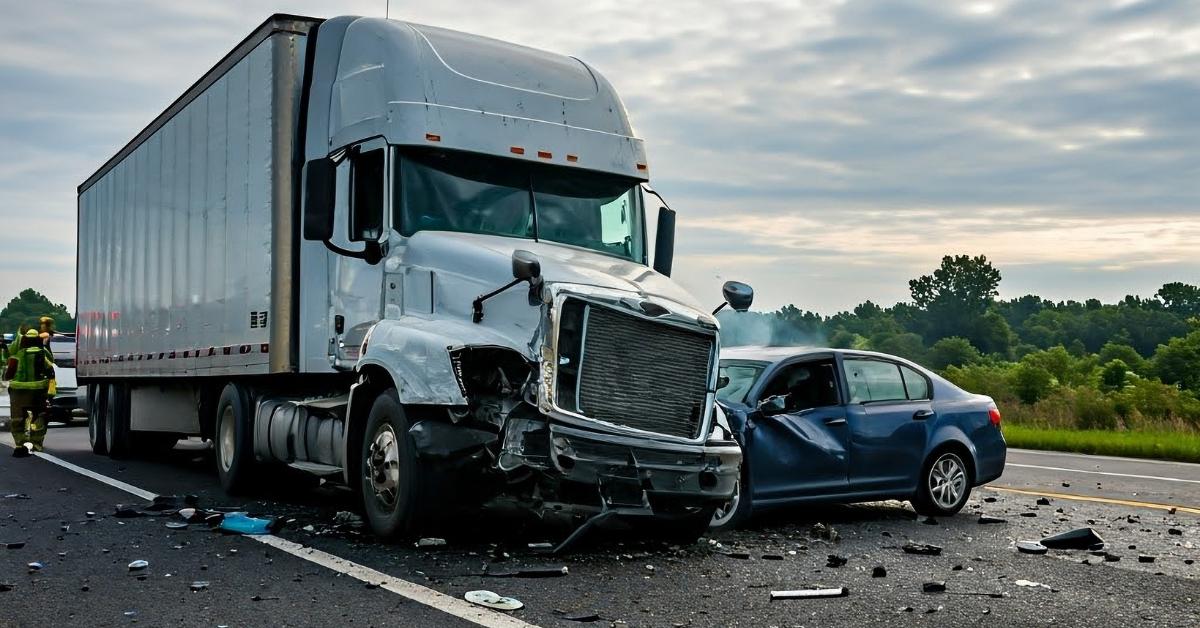
Collisions involving commercial trucks can cause devastating injuries. The size and weight of a commercial vehicle can create forces that are very different from those involved in many passenger-vehicle collisions.
After a serious truck accident, an injured person may face extensive medical treatment, lost income, long-term physical limitations, and complicated insurance questions.
Several factors can make these claims more involved than an ordinary car accident.
Multiple Parties May Need to Be Investigated
The truck driver may be responsible for a collision, but the investigation should not automatically stop there.
Depending on the facts, potential sources of responsibility may include a trucking company, a maintenance provider, a cargo-loading company, or another party whose conduct contributed to the crash.
The existence of a commercial vehicle does not automatically make every related business legally responsible. Liability must be established using the evidence and applicable law.
Electronic and Physical Evidence Can Be Important
A thorough investigation may involve reviewing:
- The police or accident report.
- Photographs and witness statements.
- Vehicle damage and roadway evidence.
- Available electronic vehicle data.
- Driver qualification and training records.
- Inspection and maintenance documentation.
- Relevant dispatch, trip, or delivery records.
Not every record will be relevant in every case. However, important evidence can be lost or overwritten if it is not preserved promptly.
Serious Injuries Require Careful Evaluation
Truck collisions can cause fractures, spinal injuries, traumatic brain injuries, internal injuries, and other serious conditions.
A claim may need to account for more than the initial emergency room visit. Depending on the injury, relevant losses may include follow-up treatment, rehabilitation, future medical needs, lost earning capacity, and the effect of permanent limitations on everyday life.
Medical documentation helps explain both the diagnosis and the practical consequences of an injury.
Insurance Coverage May Be More Complicated
Commercial vehicles may be insured through commercial policies and other arrangements that differ from personal auto insurance.
The applicable coverage depends on the vehicle’s use, the parties involved, the policy terms, and governing law. Multiple insurers may also be involved.
An attorney can investigate potential coverage and identify the parties who may need to be notified of a claim.
What Should You Do After a Truck Accident?
Seek appropriate medical care, report the crash when required, preserve photographs and witness information, and keep records of expenses and treatment.
Avoid assuming that an early settlement offer accounts for all of your losses, particularly when your injuries are serious or your long-term prognosis is uncertain.
If you receive requests for recorded statements or documents, understand who is requesting them and why before responding in detail.
How a Personal Injury Attorney May Help
Truck accident claims can require coordination of liability evidence, medical documentation, and insurance issues. An attorney can help investigate the circumstances and assess potential sources of recovery.
Robinson Injury Law handles personal injury matters involving serious accidents and understands the importance of evaluating both the legal issues and the medical consequences.
If you or a family member has been seriously injured in a truck accident, contact Robinson Injury Law to discuss the circumstances and potential next steps.
This article is general information, not legal advice. Liability, insurance coverage, and applicable deadlines depend on the facts and governing law.

No responses yet