


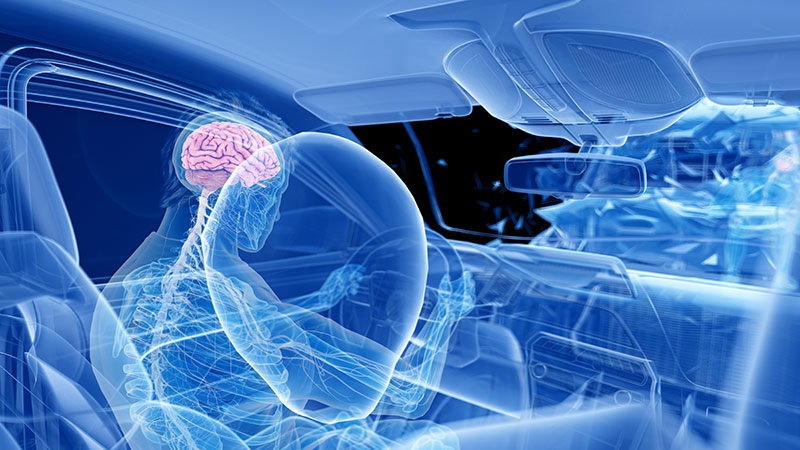
Many people assume that a concussion can occur only when someone strikes their head against a window, steering wheel, or another object. In reality, a concussion can occur when the brain experiences rapid movement or acceleration and deceleration forces during an impact, even without a direct blow to the head.
This matters because some people leave an accident believing they escaped serious injury, only to experience symptoms later.
What Is a Concussion?
A concussion is a form of mild traumatic brain injury that affects normal brain function. The word “mild” refers to the medical classification of the injury, not necessarily how disruptive the symptoms may be.
Symptoms can vary considerably. Some people recover relatively quickly, while others experience persistent problems that affect work, sleep, concentration, and daily activities.
Common Symptoms After a Collision
Symptoms can include:
- Headache or a feeling of pressure in the head.
- Dizziness or balance problems.
- Nausea.
- Sensitivity to light or sound.
- Difficulty concentrating or remembering information.
- Fatigue or changes in sleep.
- Irritability or other mood changes.
Not every symptom indicates a concussion, and other injuries may cause similar problems. A qualified healthcare professional should evaluate suspected head injuries.
Seek emergency care for concerning symptoms such as worsening headache, repeated vomiting, seizure, increasing confusion, unusual drowsiness, or new weakness.
Why Should You Document Symptoms?
After a collision, people may focus on visible injuries such as cuts, bruises, or fractures. Brain injuries can be less obvious.
If you notice changes in memory, concentration, sleep, or daily functioning, tell your healthcare provider. Explain when the symptoms began and how they have changed.
Follow recommended treatment and keep records of appointments, testing, medications, and any work or daily activities affected by your symptoms.
How Can a Brain Injury Affect a Personal Injury Claim?
A personal injury claim involving a suspected brain injury may require careful evaluation of medical evidence, the collision circumstances, and the effects on the injured person’s life.
Depending on the case, relevant evidence may include medical assessments, neurological evaluations, imaging when clinically appropriate, cognitive testing, treatment records, and statements describing changes in daily functioning.
A normal imaging study does not necessarily rule out a concussion. Medical findings must be interpreted in context by qualified healthcare professionals.
What if the Symptoms Continue for Months?
Persistent symptoms deserve continued medical attention. Some people experience ongoing headaches, concentration problems, sleep difficulties, or sensitivity to light and noise after a concussion.
The duration and severity of symptoms vary. Avoid assuming that symptoms will follow a predictable timeline.
If symptoms affect your ability to work or perform ordinary activities, discuss those limitations with your healthcare provider and maintain appropriate records.
How Robinson Injury Law Approaches Brain Injury Claims
Brain injury claims can involve complex questions about diagnosis, causation, treatment, and the long-term effects of an accident.
Dr. Chris Robinson’s background as a former chiropractic physician and his legal experience give Robinson Injury Law a perspective that connects the medical consequences of an injury with the evidence used to evaluate a personal injury claim.
If you experienced a head injury in a car accident, truck collision, or another incident, our team can discuss your potential legal options.
Contact Robinson Injury Law for a free case review.
This article is for educational purposes only and is not medical or legal advice. Suspected brain injuries require appropriate medical evaluation.

No responses yet